In 1985, the NBA told Michael Jordan he could not wear a shoe. He wore it anyway — and Nike paid a $5,000 fine every single game to make sure he could keep doing it. Today, that same shoe accounts for 23% of the entire secondary sneaker market and resells for an average of 85.7% above retail. That is not just a popular sneaker. That is a cultural document — and people keep buying it at any price.
So what actually makes Jordan 1s so popular? The answer is not one thing. It is five or six things stacking on each other over four decades, each generation adding another layer to the legend. Here is the full picture.
It Started with a Story Nobody Could Stop Talking About
Before Michael Jordan had a signature shoe, he almost never worked with Nike at all.
By the summer of 1984, he had just finished a legendary college career at North Carolina and was about to be drafted third overall by the Chicago Bulls. His preference? Adidas. Nike was the underdog making a pitch nobody expected.
Nike’s offer was different: a five-year deal worth $2.5 million plus royalties, and something no basketball player had ever been offered before — his own signature shoe line. Jordan’s mother, Deloris, convinced him to at least hear Nike out. After the presentation, he was in.
His agent David Falk coined the name “Air Jordan” — a blend of Nike’s Air cushioning technology and Jordan’s reputation for playing like gravity did not apply to him.
Then the real story began.
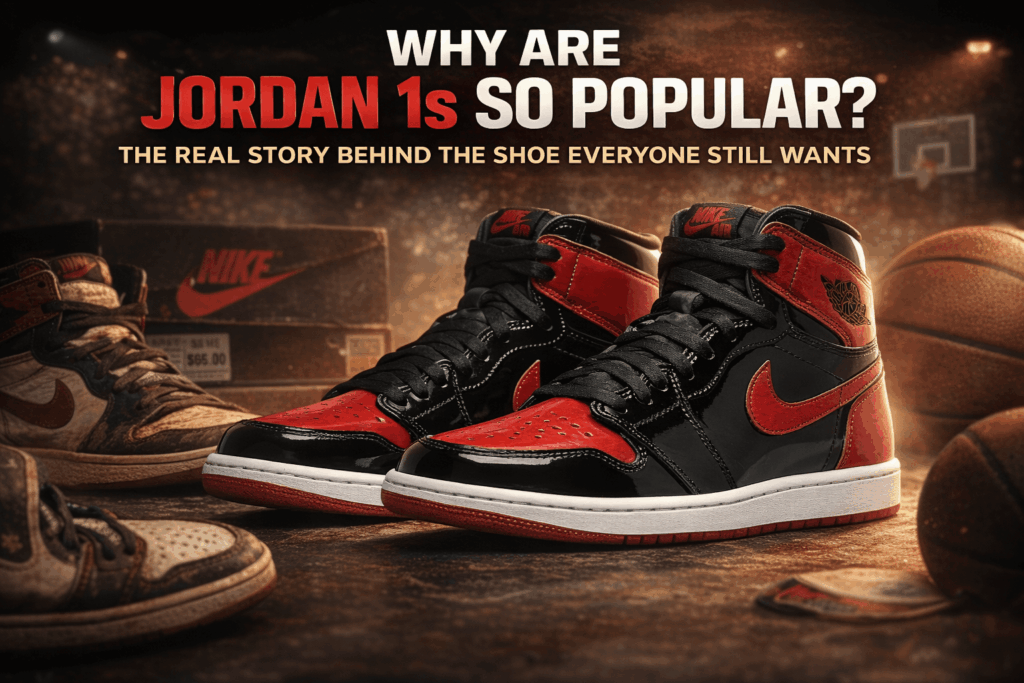
The black and red “Bred” Air Jordan 1 violated the NBA’s rule: game shoes had to be at least 51% white and consistent with team uniform colors. The league started fining Jordan $5,000 every game he wore them.
Nike paid every single fine without hesitation.
Then they filmed a commercial. “On October 15th, Nike created a revolutionary new basketball shoe. On October 18th, the NBA threw them out of the game. Fortunately, the NBA can’t keep you from wearing them.”
A fine became a campaign. A rule violation became a rallying cry for an entire generation. Nike predicted $3 million in sales over three years. The Air Jordan 1 made $126 million in twelve months.
That story — defiance, controversy, and a brand that bet everything on one athlete — is baked into every pair of Jordan 1s ever made.
A Design Built to Outlast Its Era
The Air Jordan 1 looks like it was drawn by someone who wanted to break every rule at once.
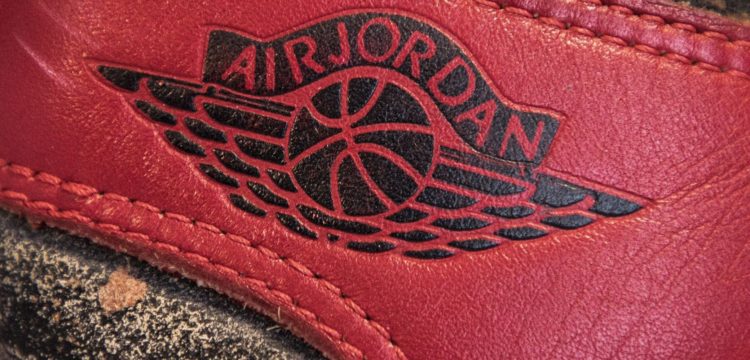
Designer Peter Moore created a bold high-top silhouette with color-blocking unlike anything seen on a basketball shoe before. He added the iconic “Wings” logo — a basketball flanked by two spread wings — a padded ankle collar for support, premium leather construction, and Nike’s Air cushioning technology. Drawing inspiration from the Air Force 1 and urban fashion trends of the 1980s, Moore produced a shoe that felt both athletic and immediately stylish.
What made the design truly timeless was what it could do beyond the court. The flatfooted construction — intended for basketball stability — turned out to be ideal for skateboarding. The shoe sits flat on a board, allows excellent board feel, and holds up to skate abuse better than most dedicated skate shoes. Some argue it may be the first-ever functional skate shoe, designed entirely before anyone knew that is what it would become.
The silhouette also pairs naturally with almost every clothing style. Jeans. Joggers. Shorts. Tailored trousers for the bold. The high-top adds structure to any outfit. The color-blocking gives the shoe presence without forcing the rest of the look to compete. That across-the-board versatility is rare in a single silhouette — and it is a major reason the Jordan 1 never leaves rotation.
Hip-Hop and Streetwear Claimed It Before Anyone Else
Before “sneakerhead” was a word, the Air Jordan 1 already had a devoted following — and that following was not found on a basketball court.
Jay-Z wore them. Nas wore them on the streets of Queensbridge. LL Cool J made them part of his visual identity. Early hip-hop artists reached for the Jordan 1 not because they were paid to — but because the shoe already said what they believed: independence, self-expression, refusing to follow the norm.
Nike leaned into it with a perfect cultural move. Spike Lee’s “Mars Blackmon” commercials placed Air Jordans at the center of hip-hop, with Lee’s character desperately asking Jordan to reveal the secret of his greatness and always landing on the same punchline: “It’s gotta be the shoes.” Funny. Authentic. Impossible to ignore.
Skaters followed. The flat sole and durable leather that worked on the court were exactly what a skateboarder needed on a deck. With each new community that adopted it, the Jordan 1 added another layer of cultural meaning — not basketball shoe, not hip-hop shoe, but whatever you needed it to be.
That adaptability is not accidental. It reflects something foundational in the original design: the AJ1 was built for someone who performs at the highest level but lives everywhere.
Nike Kept the Hype Alive with Scarcity and Collabs
By the time Jordan retired and the shoes became vintage, Nike had already solved the next problem: how do you keep a shoe relevant without the athlete wearing it? Bring it back, make it rare, and partner it with the right people.
The retro strategy created an entirely new release culture. Every returning classic — the Black Toe, the Bred, the Chicago — became a moment. Then the collaborations elevated things further.
Travis Scott x Air Jordan 1 — La Flame’s reverse Swoosh became one of the most defining design moves in sneaker history. Resale consistently above $2,500.
Off-White x Air Jordan 1 “Chicago” — Virgil Abloh’s deconstructed treatment, with plastic lace bags, exposed foam, and hand-written typography, turned the classic Chicago colorway into a piece that resells for $5,000–$10,000.
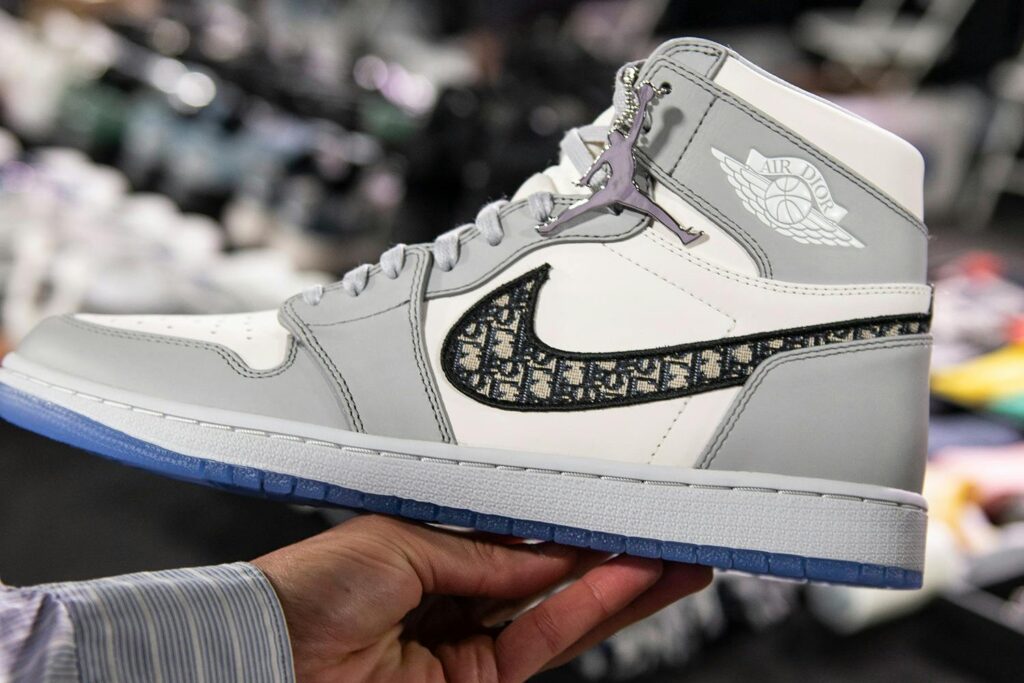
Dior x Air Jordan 1 — Fashion’s most prestigious house meets sneaker culture’s most iconic silhouette. Only 8,500 pairs made globally. Retail: $2,000–$2,200. Resale: $7,000–$25,000 depending on size and condition.
These are not just expensive shoes. They are cultural events with laces. And every one starts from the same Peter Moore silhouette from 1984 — which says everything about the power of that original design.
The Numbers Confirm What Culture Already Knew
The Air Jordan 1 alone accounts for 23% of the entire secondary sneaker market. The average pair resells for $260 — an 85.7% premium over its retail price. Jordan Brand holds a 28% share of the total secondary sneaker market. In 2020, combined Nike and Air Jordan resale revenue reached $7.1 billion.
The most expensive single Jordan ever auctioned? Michael Jordan’s game-worn Air Jordan 13 from the 1998 NBA Finals — sold for $2.2 million in April 2023.
These are not hobby collector numbers. This is one of the largest cultural asset markets on earth. And the Jordan 1 sits at the center of all of it.
Each New Generation Finds Its Own Reason
Nostalgia drives the Jordan 1 for anyone who grew up watching Michael Jordan play. But nostalgia alone accounts for only part of the current demand.
When ESPN released “The Last Dance” documentary in 2020, a new generation met Michael Jordan for the first time. Demand for vintage Air Jordans spiked immediately. Pairs that had sat in closets for decades became grails overnight.
Meanwhile, Nike has kept releasing new colorways — the UNC Toe, the Palomino, the Lost & Found — that draw in buyers who were not alive in 1985. The silhouette is also available in High OG, Low, Mid, and Mid SE variations, giving every type of wearer an entry point at different price levels.
The result is a shoe that holds nostalgia and freshness simultaneously. Doing both across 40 years, without losing cultural footing, is nearly impossible. The Jordan 1 does it every year.
Build Your Fit Around the Legend
All of that history goes on every time you lace up. When you wear a Chicago, you are wearing the color story the NBA tried to stop. When you put on a Royal Blue, you are wearing a colorway the streets chose first. That context makes building your outfit around them feel like it actually means something.
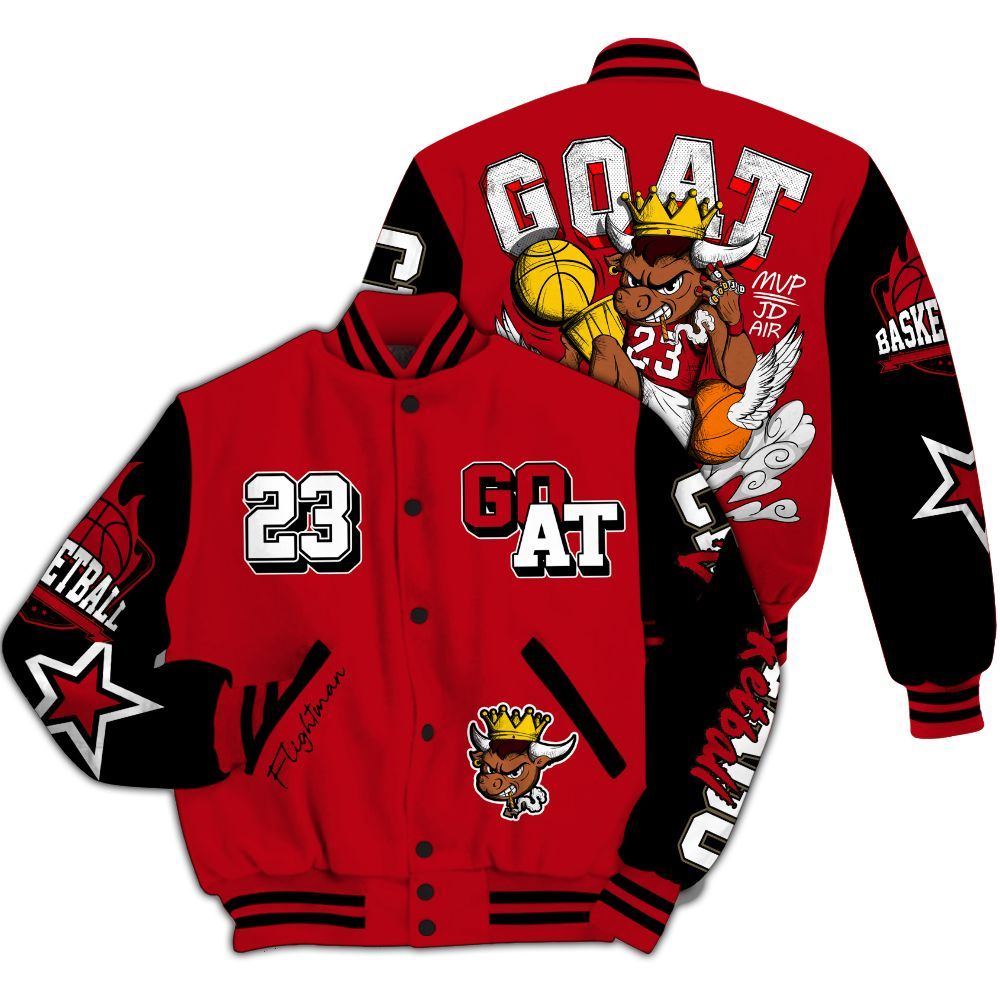
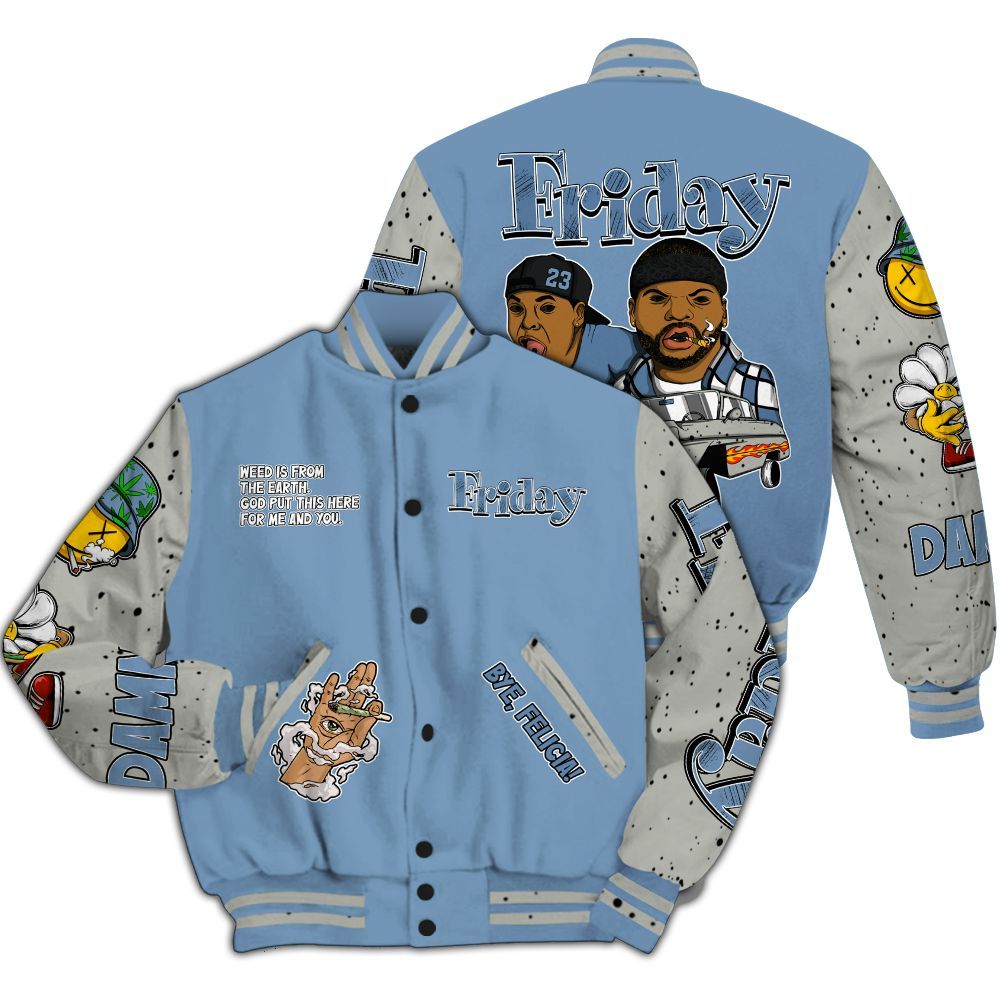
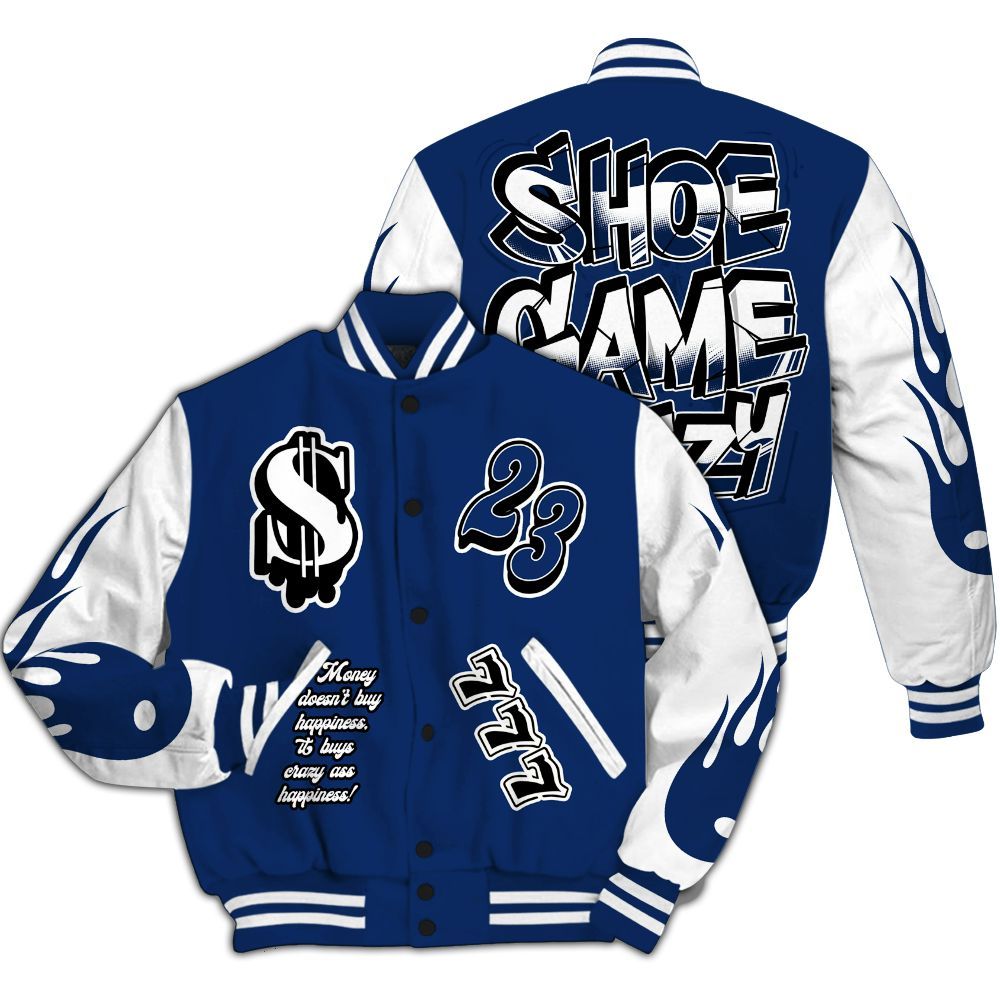
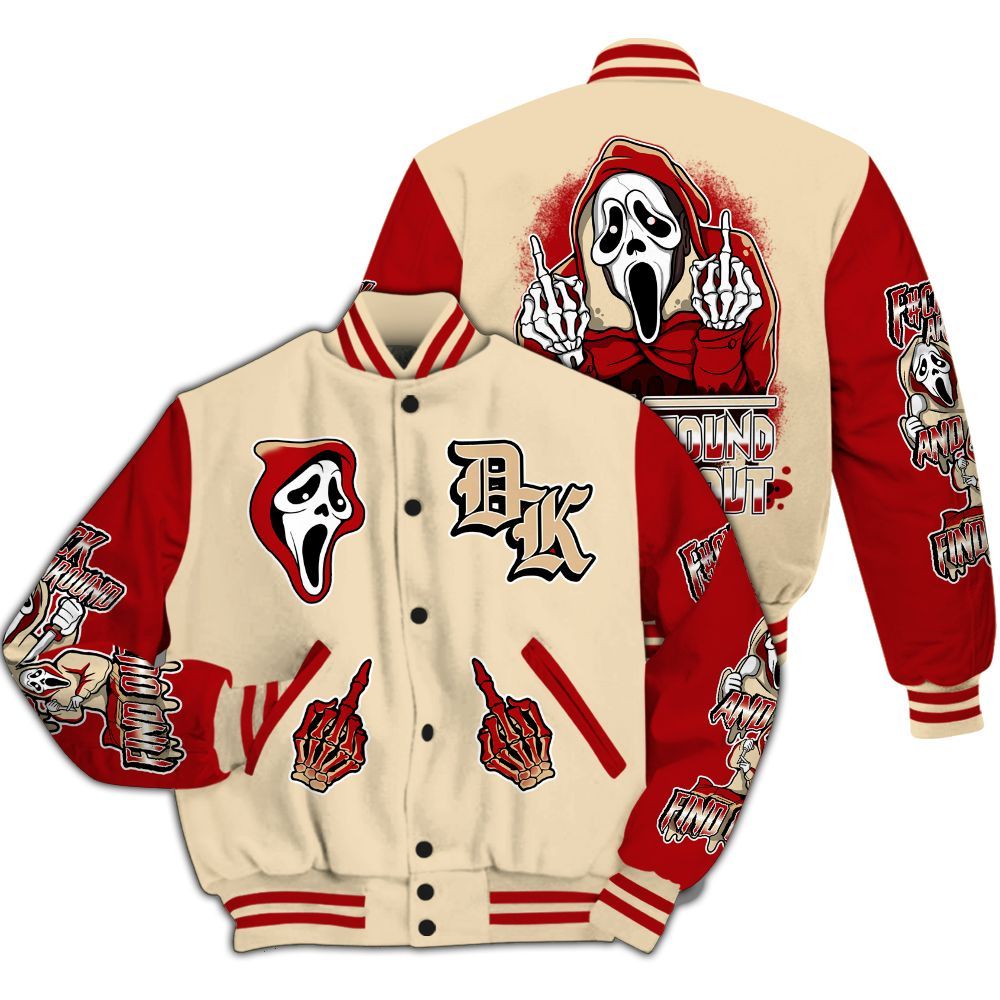
The approach is straightforward: start with the colorway, then build everything else to match. Bred Jordan 1s anchor a fit in black and red — a coordinated graphic tee, matching shorts or joggers, kept clean and intentional. University Blue 1s call for something lighter — washed denim, a crisp white top, or a matched set that pulls directly from that blue.
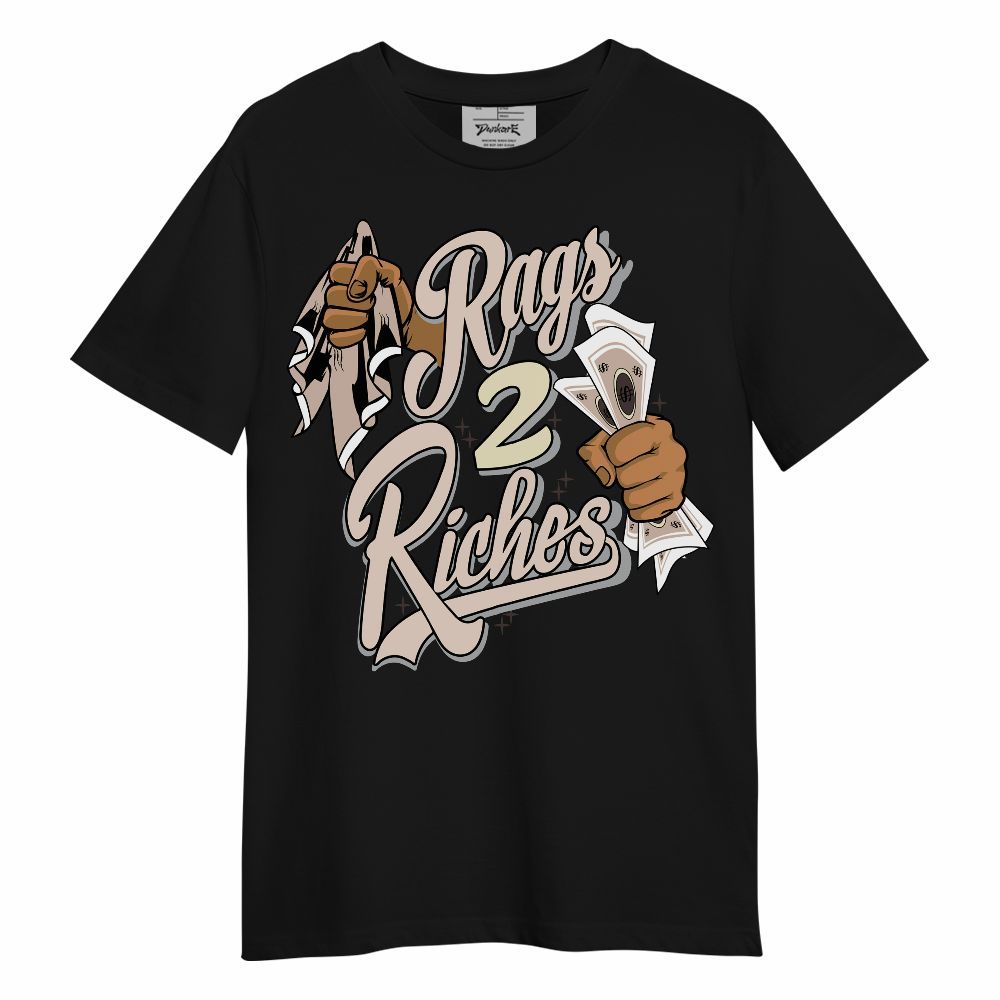
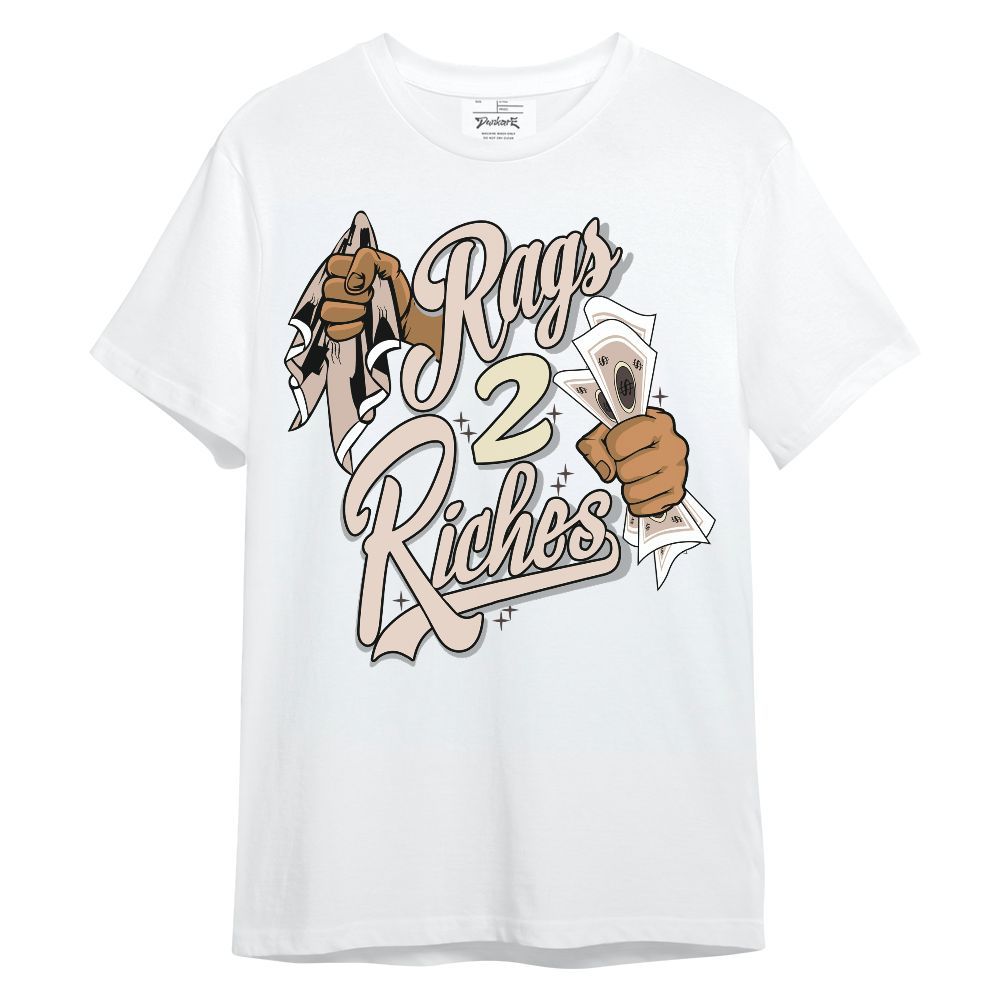
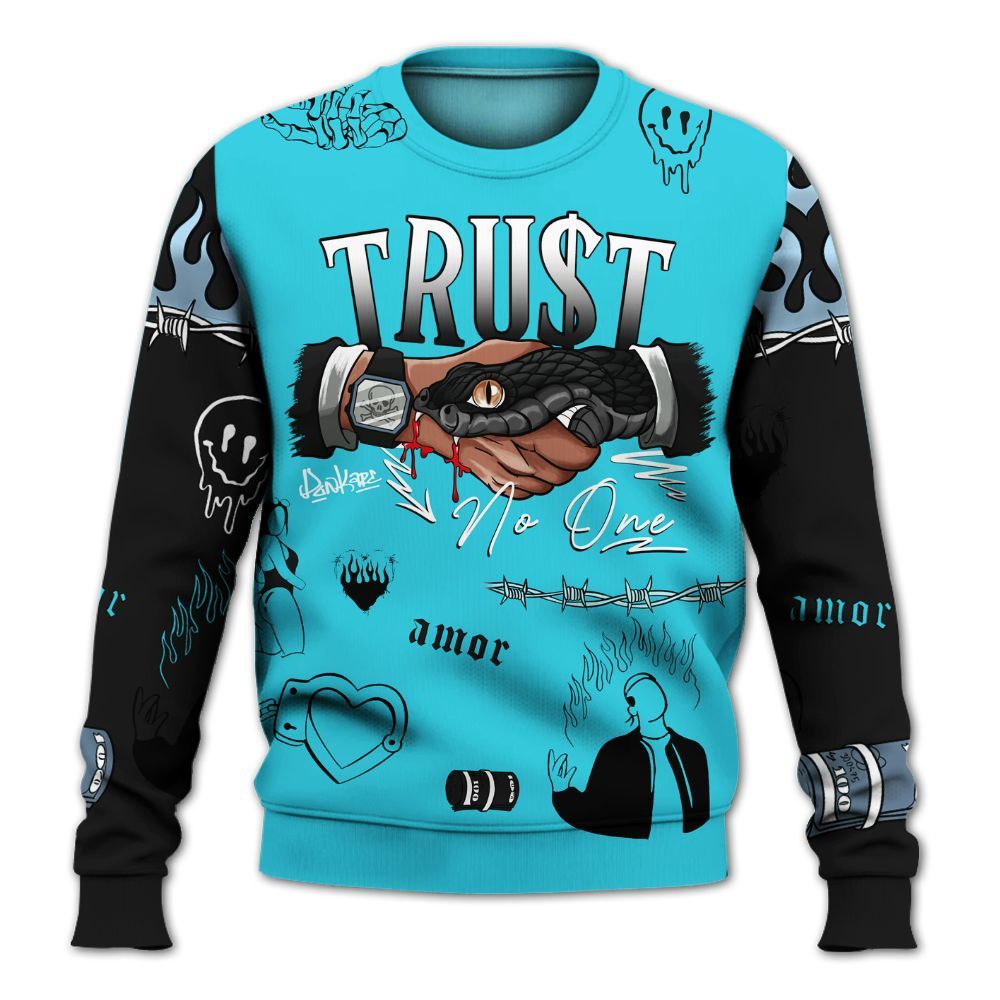
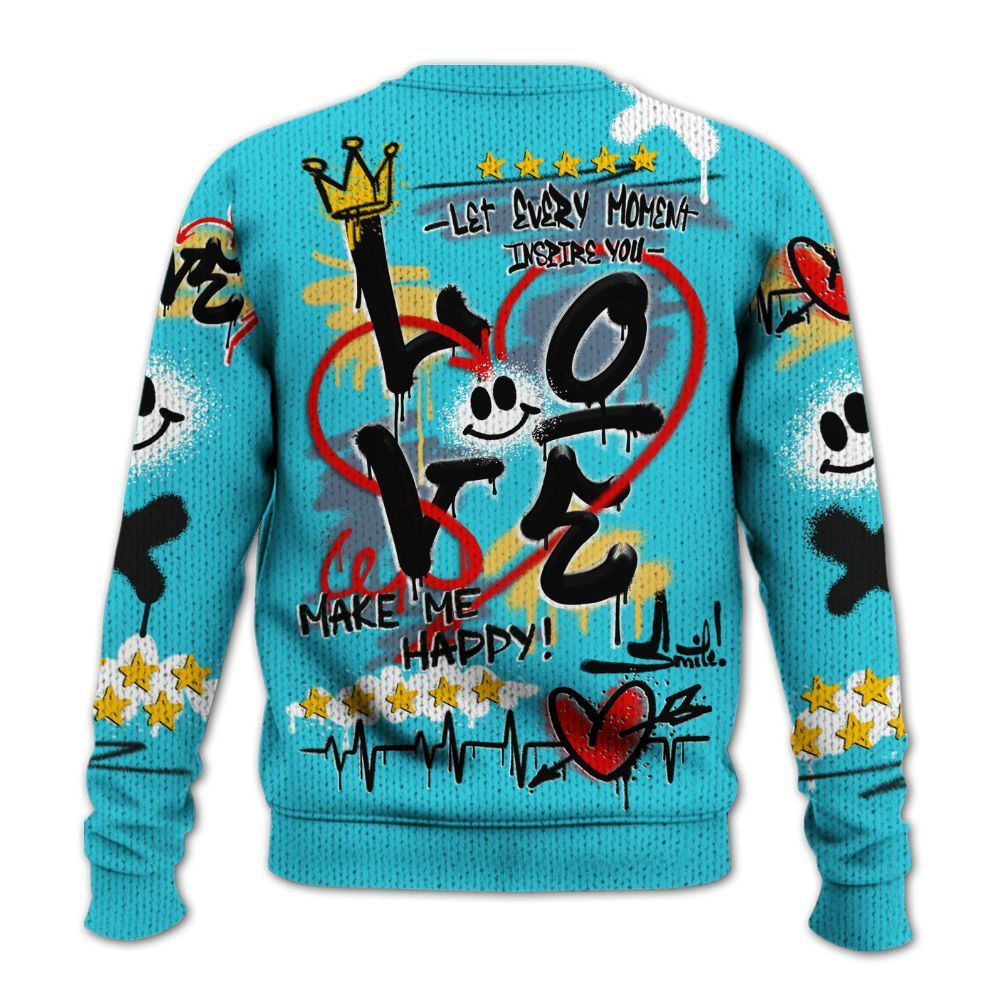
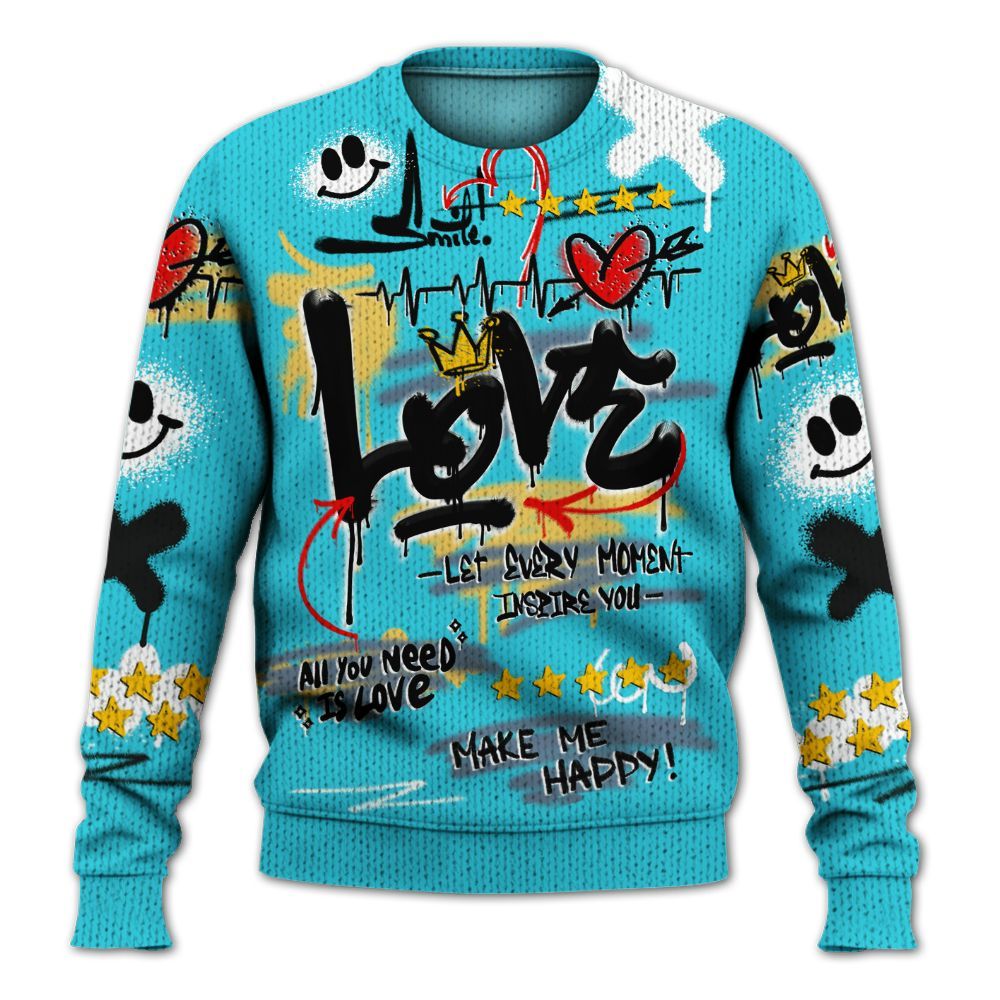
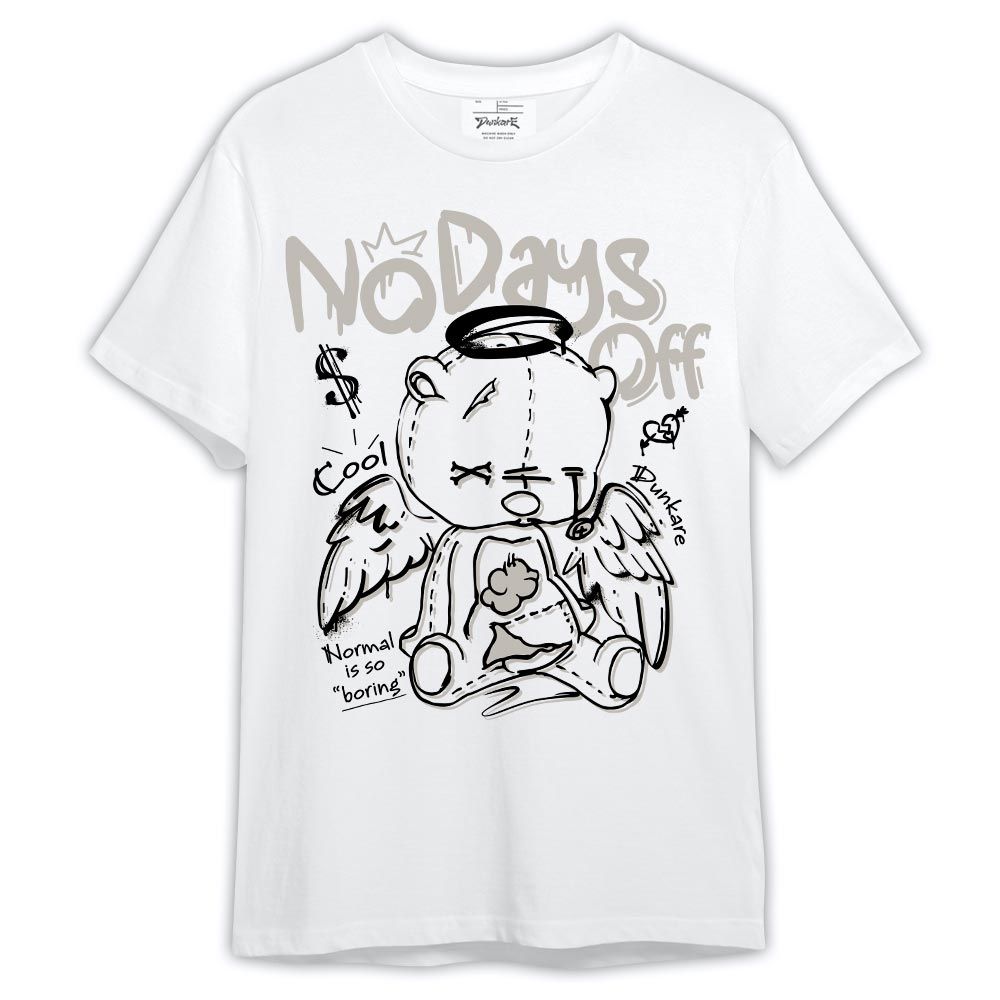
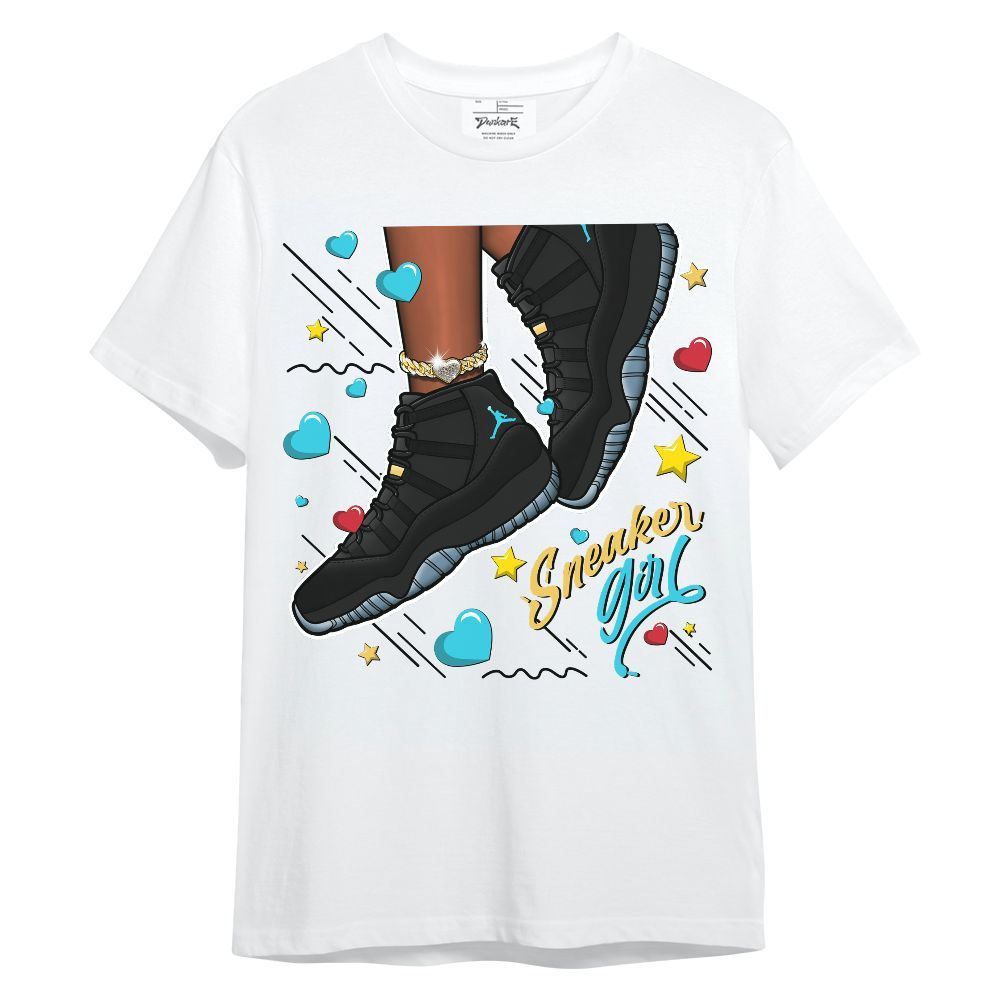
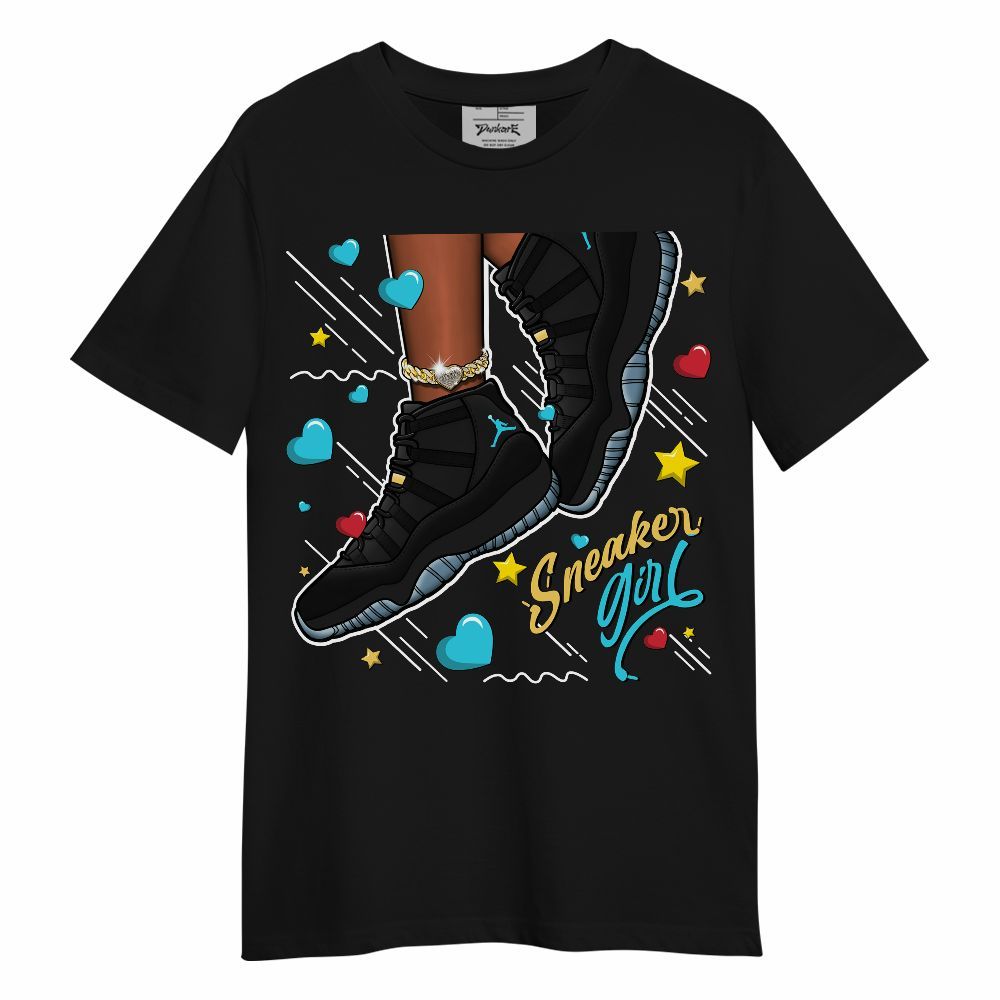
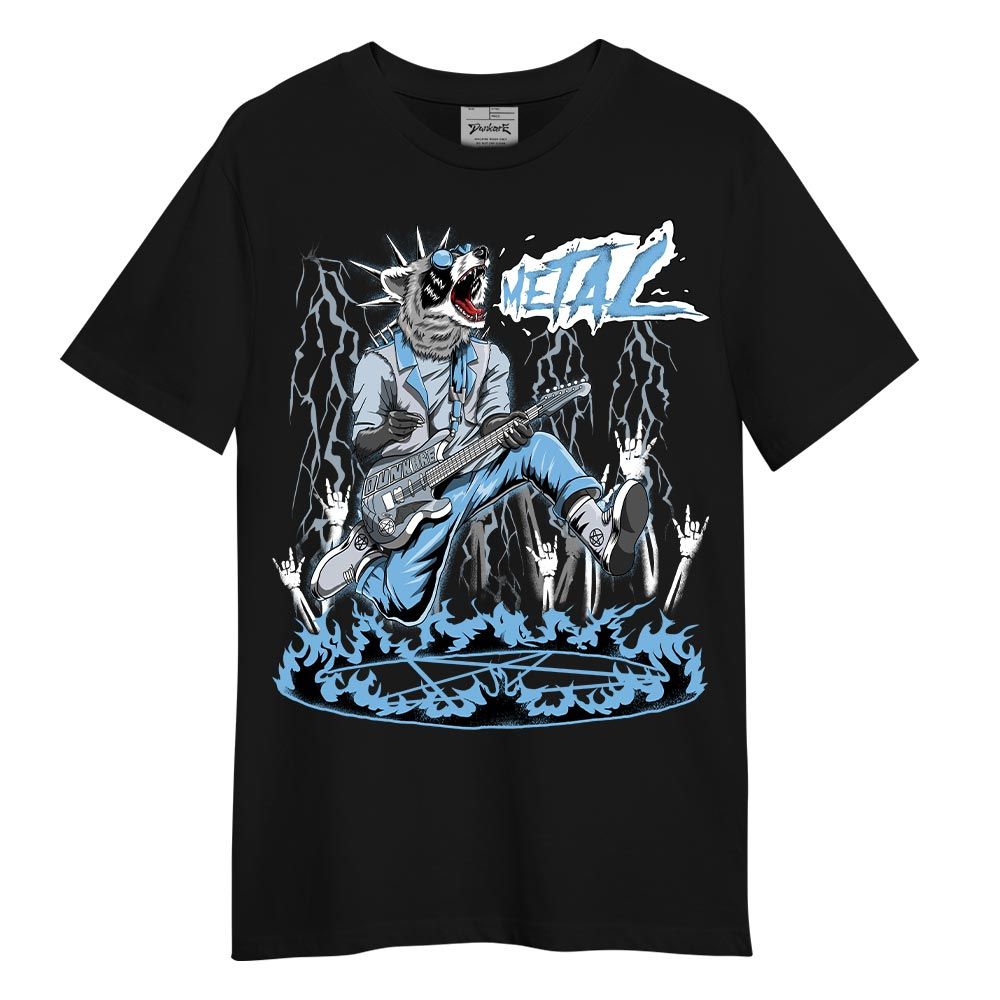
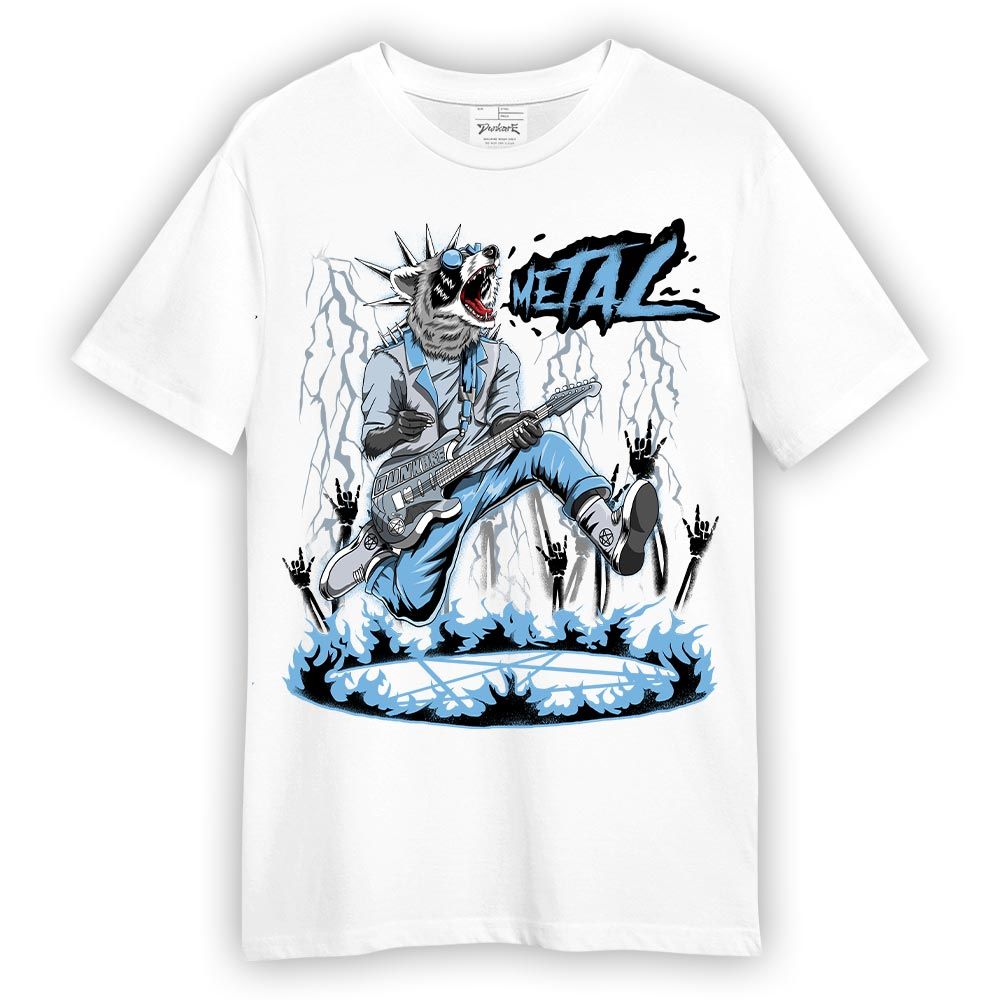
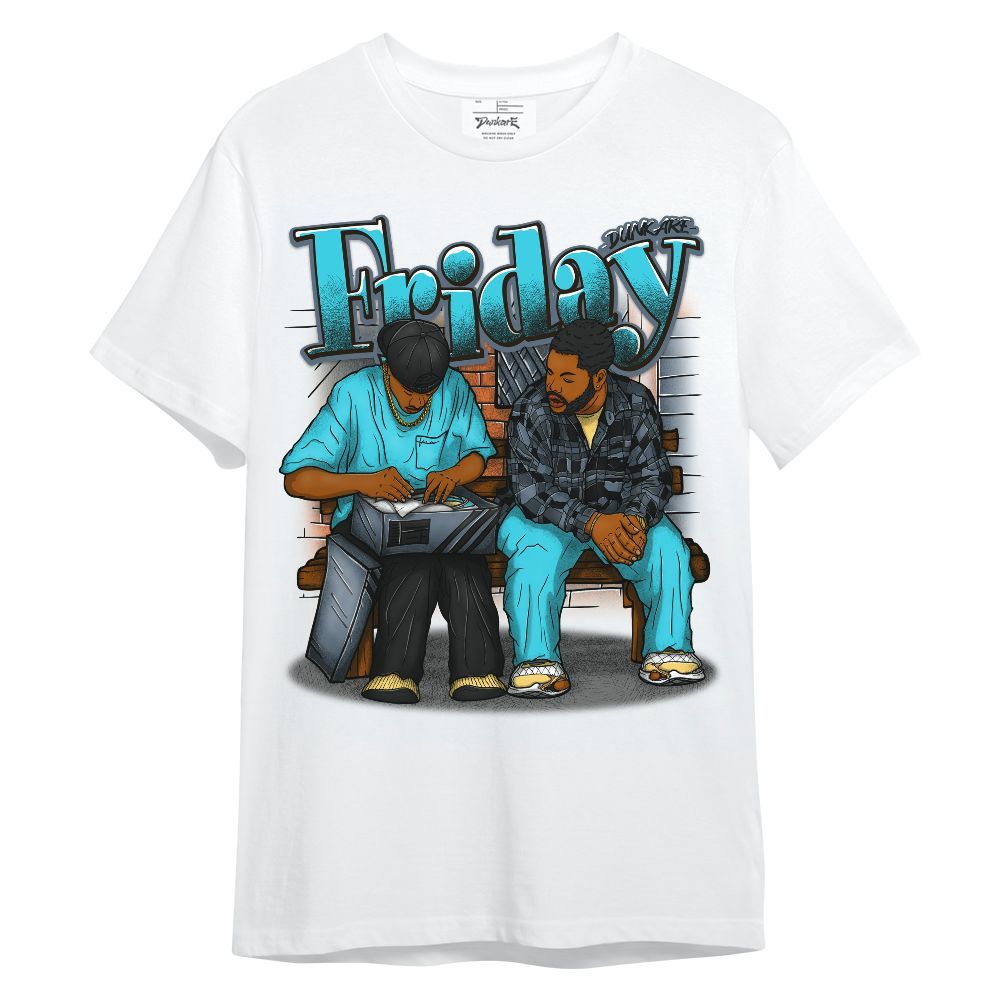
Dunkare’s Jordan 1 matching sets are built for exactly this kind of outfit construction — coordinated tops and bottoms designed around specific AJ1 colorways so the look comes together from head to sneaker. If you wear how to style your Jordan 1s, matching your outfit to your colorway is the single biggest upgrade you can make.
That is how you wear a shoe with 40 years of history behind it. Not just on your feet — but as the anchor of a look that respects what is actually in those shoes.
Conclusion
Jordan 1s are popular because they earned it — every year, across every generation, in every corner of culture. The banned story gave them a legend. Peter Moore’s design gave them a silhouette that outlasted its decade. Hip-hop and skating gave them authenticity that no marketing campaign could manufacture. Nike’s collaborations kept them at the center of culture when they could have faded. And the resale market turned four decades of fan love into the most quantified sneaker demand on earth.
None of it happened by accident. None of it is stopping.
When you put on a pair of Jordan 1s, you carry 40 years of that story. Might as well build an outfit worthy of it.
Frequently Asked Questions
Why is the Air Jordan 1 so iconic?
The Air Jordan 1 was Michael Jordan’s first signature shoe, designed in 1985 by Peter Moore. Its bold design, NBA ban controversy, and early adoption by hip-hop and streetwear culture turned it into a cultural symbol that four decades of new releases, collabs, and retros have never managed to dilute.
Why was the Air Jordan 1 banned by the NBA?
The original black and red “Bred” colorway violated the NBA’s rule requiring game shoes to be at least 51% white and consistent with team uniform colors. The NBA fined Jordan $5,000 per game — Nike paid every fine, then built one of the most famous marketing campaigns in sports history around the controversy.
What makes Jordan 1s different from other sneakers?
The AJ1 combines a timeless high-top silhouette, a rich history across basketball, hip-hop, and skateboarding, and a sustained collaboration program with brands ranging from Off-White to Dior. No other silhouette has maintained that breadth of cultural relevance across this many generations.
Are Jordan 1s worth the hype?
The secondary market says yes — they resell for an average of 85.7% above retail and account for 23% of the entire secondary sneaker market. Beyond the numbers, the design quality, comfort, and versatility the shoe delivers makes the attention earned rather than manufactured.
Why do Jordan 1s resell for so much?
Limited releases, high-profile collaborations, consistent cultural relevance, and decades of accumulated legacy all drive resale prices. For collaboration pairs like the Dior x Jordan 1, only 8,500 were made globally — demand will always outpace supply by design.