Somewhere between the first time someone said “those are a W” and you nodding like you understood, you realized sneaker culture has its own language. Its own history. Its own rules.
But here is something most people inside the culture will not tell you: none of it is that complicated. It just has not been explained very well.
This is your welcome guide — the history, the vocabulary, the community, and the style. By the end of this, you will not just understand sneaker culture. You will feel part of it.
What Is Sneaker Culture?
Before it was a $10 billion industry, it was a kid in Brooklyn wearing Adidas Superstars without laces as a sign that they belonged to something. Before the auction houses and resale apps and celebrity drops, it was about knowing which shoe mattered on your block — and why.
That is still what sneaker culture is about. It is a global community built around collecting, trading, and deeply understanding athletic shoes. It transcends footwear. Sneakers carry stories, signal identity, and connect people across music, sports, fashion, and art.
A sneakerhead is not simply someone who owns many shoes. It is someone who knows the story behind what they are wearing — why a specific colorway matters, what year a shoe first dropped, and what it meant when it did.
Today the secondary resale market is valued at over $10 billion globally. Some pairs sell at Sotheby’s. Limited collaborations sell out in under a minute online. But none of that changes the core of what the culture is: knowing your shoes, and caring about why they matter.
How It All Started — A Brief History
The First Signature Shoe (1973)
Before Jordan, there was Clyde. Walt “Clyde” Frazier of the New York Knicks became one of the first NBA players to receive a signature shoe — the Puma Clyde in 1973. This pioneered the athlete-brand partnership model that would define sneaker marketing for fifty years.
Run-DMC and the Hip-Hop Moment (1986)
In the early 1980s, hip-hop rising out of New York City turned sneakers from equipment into identity. Rappers wore specific brands as markers of where they came from and who they were.
Then came the defining moment. In 1986, Run-DMC wrote “My Adidas” — a tribute to the Adidas Superstar, the shoe the group wore without laces as their signature look. A few months later, during a concert at Madison Square Garden, the group held up their Superstars and asked the crowd to do the same. Roughly 1,500 people raised theirs simultaneously. Adidas executives in the audience watched it happen in real time.
The deal that followed was one of the first ever between a hip-hop act and a major sportswear brand. From that night forward, sneakers were no longer just shoes. They were culture.
Michael Jordan and the Air Jordan 1 (1985)
Nike signed a 21-year-old Michael Jordan for $2.5 million over five years — a deal that restructured how sports, marketing, and fashion interact permanently.
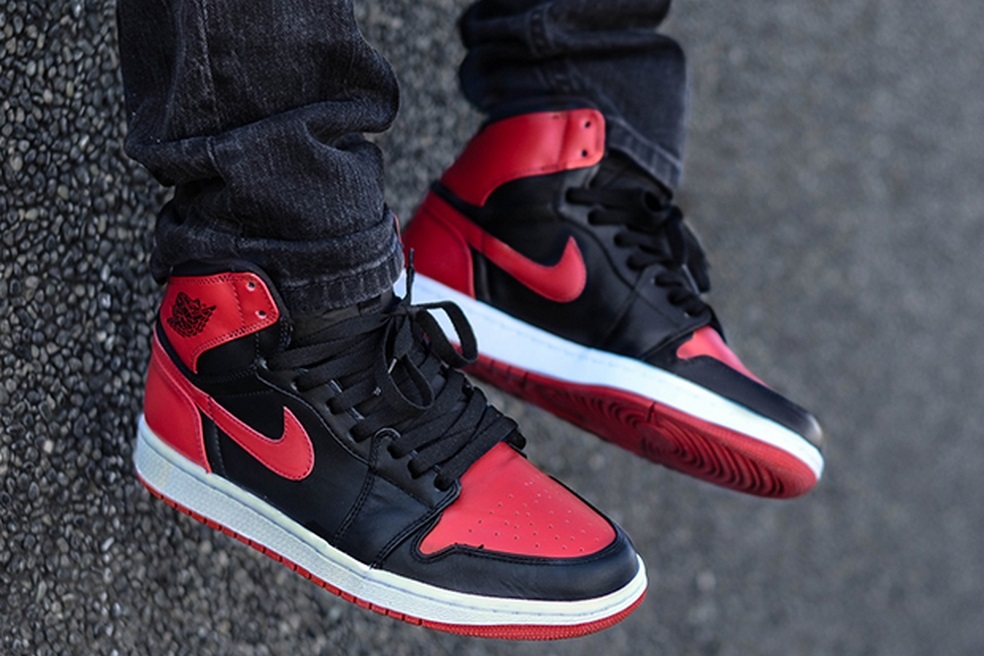
The Air Jordan 1 launched in 1985 at $65. The black-and-red “Bred” colorway violated NBA uniform policies. The league fined Jordan $5,000 for every game he wore them. Nike paid every fine — and then ran an ad that turned the ban into the product’s entire identity.
The AJ1 made $126 million in its first year. Nike’s original projection had been $3 million.
That gap is the moment modern sneaker culture was born.
The Internet Era and the Luxury Crossover (2010s–Now)
Social media transformed how sneakerheads connected, discovered releases, and displayed their collections. YouTube built a generation of sneaker knowledge. Instagram turned fit-with-shoes into its own visual grammar.
StockX and GOAT formalized the secondary market with authentication and live pricing in 2015. Then luxury noticed: Dior × Air Jordan 4, Louis Vuitton × Nike Air Force 1, Sacai × Nike. The lines between streetwear and high fashion collapsed permanently.
The Sneaker Dictionary — Every Term You Need
This is the vocabulary of sneaker culture. These terms appear in every forum, every review, every drop day thread. Learn these and you will understand 90% of every conversation.
| Term | What It Means |
|---|---|
| Deadstock (DS) | Brand new, unworn, original box and accessories. Highest resale condition. |
| VNDS | Very Near Deadstock — worn once or twice, essentially new. |
| OG | Original. “OG colorway” = the first version of a classic shoe. |
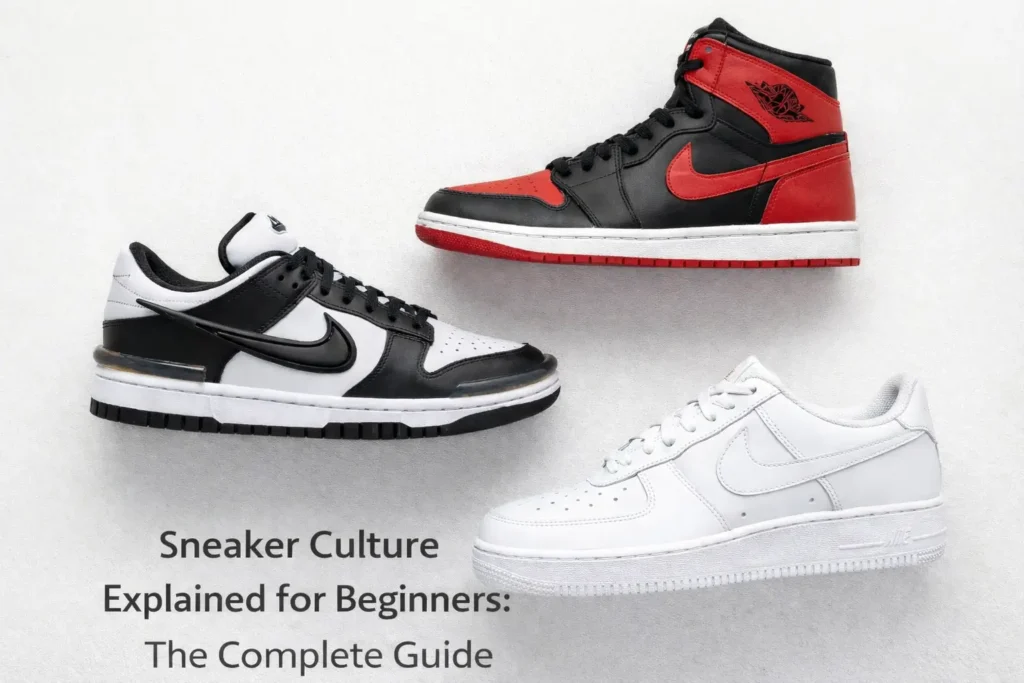
| Colorway | The specific color combination of a shoe. “Bred” = black + red. “Chicago” = red, black, white. |
| Drop | The official release date of a new shoe. Hyped drops sell out in seconds. |
| Hype | Heavy demand created by limited supply, celebrity endorsements, and social media. |
| Heat | Slang for a highly desirable shoe. “Those are heat.” |
| Grail | The shoe you want most but don’t yet own. Your personal Holy Grail. |
| Resale / Aftermarket | Buying and selling sneakers at prices above (or below) the original retail. |
| Retail | The brand’s original selling price. All resale is measured against this. |
| Collab | A limited shoe from a brand partnership — celebrity, designer, or brand. |
| Retro | A re-release of a classic model. Jordan Brand retros original AJ designs regularly. |
| Cop | To successfully purchase a shoe on drop day. “Did you cop the Chicago?” |
| W / L | Win (got the shoe) / Loss (missed out). Drop day vocabulary. |
| Legit Check (LC) | Community verification that a shoe is authentic before buying secondhand. |
| StockX / GOAT | Authenticated online resale platforms where shoes trade at live market prices. |
How the Resale Market Works
Sneaker brands intentionally limit production on specific releases. When demand exceeds supply on drop day — and for major releases, it always does — shoes sell out at retail. Buyers who still want them must go to the secondary market.
The mechanism: supply and demand, exactly like a stock market.
- Shoe retails at $180 → sells out in 60 seconds
- Resellers who copped at retail → list on StockX or GOAT
- Buyers bid → final price set purely by the market
Real numbers:
- Air Jordan 1 Chicago: Retail $180 → resale $400–$578
- Travis Scott × AJ1 Mocha: Retail $150 → resale $1,500–$3,000
- Dior × Air Jordan 1: Retail $2,200 → resale $10,000+
The critical thing beginners miss: most shoes do not resell above retail. General releases are available at full price indefinitely. It is specifically limited collabs, rare production runs, and culturally charged shoes that generate those premiums.
The Most Important Brands to Know
Nike / Air Jordan: The center of gravity. Jordan Brand is Nike’s sub-brand dedicated to Michael Jordan’s line — AJ1 through AJ40 and beyond. Nike also dominates through the Dunk, Air Force 1, Air Max, and hundreds of collaborations.
Adidas: The Yeezy era (Kanye West, 2015–2022) elevated Adidas to culture-defining status. The Superstar, Stan Smith, and NMD retain strong collector followings independent of hype.
Nike SB Dunks: Originally designed for skateboarding, now among the most collectible silhouettes in the culture. Low-production collabs — the Paris, the Chunky Dunky, the Street Hawker — are grails for serious collectors.
New Balance: The defining comeback of the 2020s. The 550, 990, and 1906R built massive collector bases by prioritizing craftsmanship and heritage over hype.
Your First 5 Steps Into Sneaker Culture
You do not need to spend thousands. You need curiosity and a starting point.
1. Pick a silhouette you genuinely love.
AJ1, Nike Dunk, Air Force 1, New Balance 550 — find the shoe you are aesthetically drawn to. Do not chase hype for the sake of hype. Chase what resonates with you personally. That is where collection begins.
2. Learn the story behind it.
Every significant sneaker has a reason it matters. The AJ1 was banned by the NBA. The Dunk crossed from skate parks to museum walls. Knowing the story separates a collected shoe from just an owned shoe.
3. Follow the culture.
- YouTube: Complex Sneakers (history, rare pairs, culture context), Kicksoncourt (release day news, reviews, styling)
- Reddit: r/Sneakers — the largest online sneaker community. Great for legit checks, drop day discussions, and finding your community
- Instagram: Sneaker News (@sneakernews), Sole Collector (@solecollector), and your local sneaker accounts
4. Buy smart secondhand.
When buying from the secondary market, always use StockX or GOAT. Both authenticate every pair before shipping. Never purchase from unverified sellers without a community legit check first. The counterfeit market is large — authentication matters.
5. Join the conversation.
The community is more welcoming than it appears from outside. Post your first cop. Share what you are hunting. Ask questions. Every sneakerhead started not knowing anything. Genuine enthusiasm always matters more than existing expertise.
Sneakers + Style — How to Build a Complete Look
Owning a great pair of sneakers is the beginning of the look, not the end. The shoe anchors everything above it. The rest of the outfit should respond to it — not compete with it.
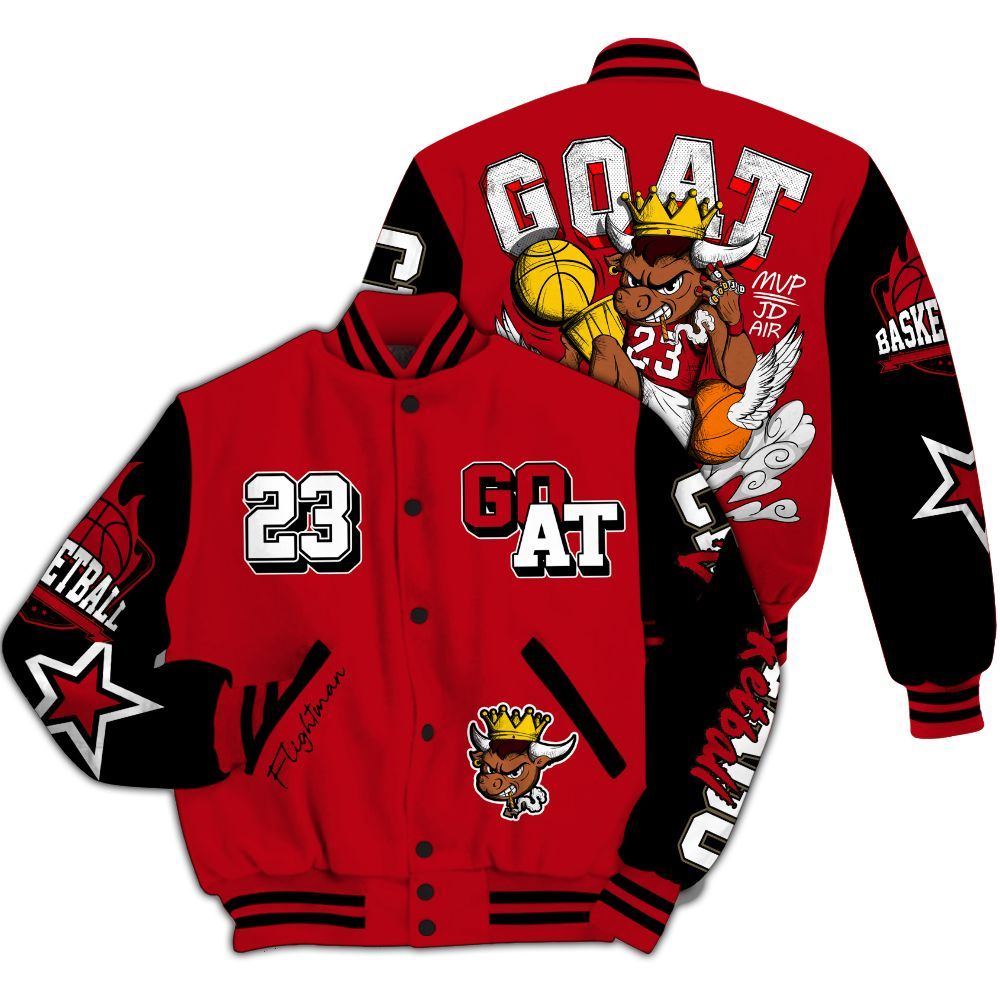
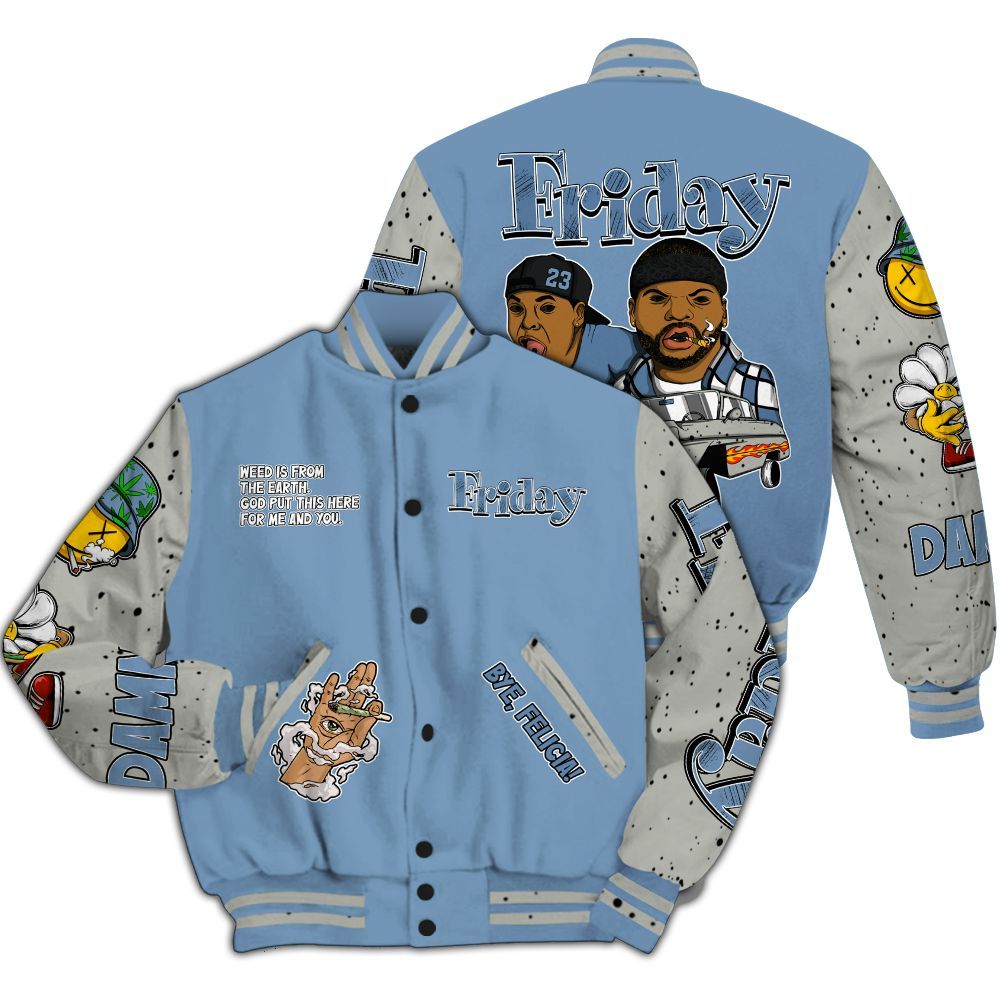
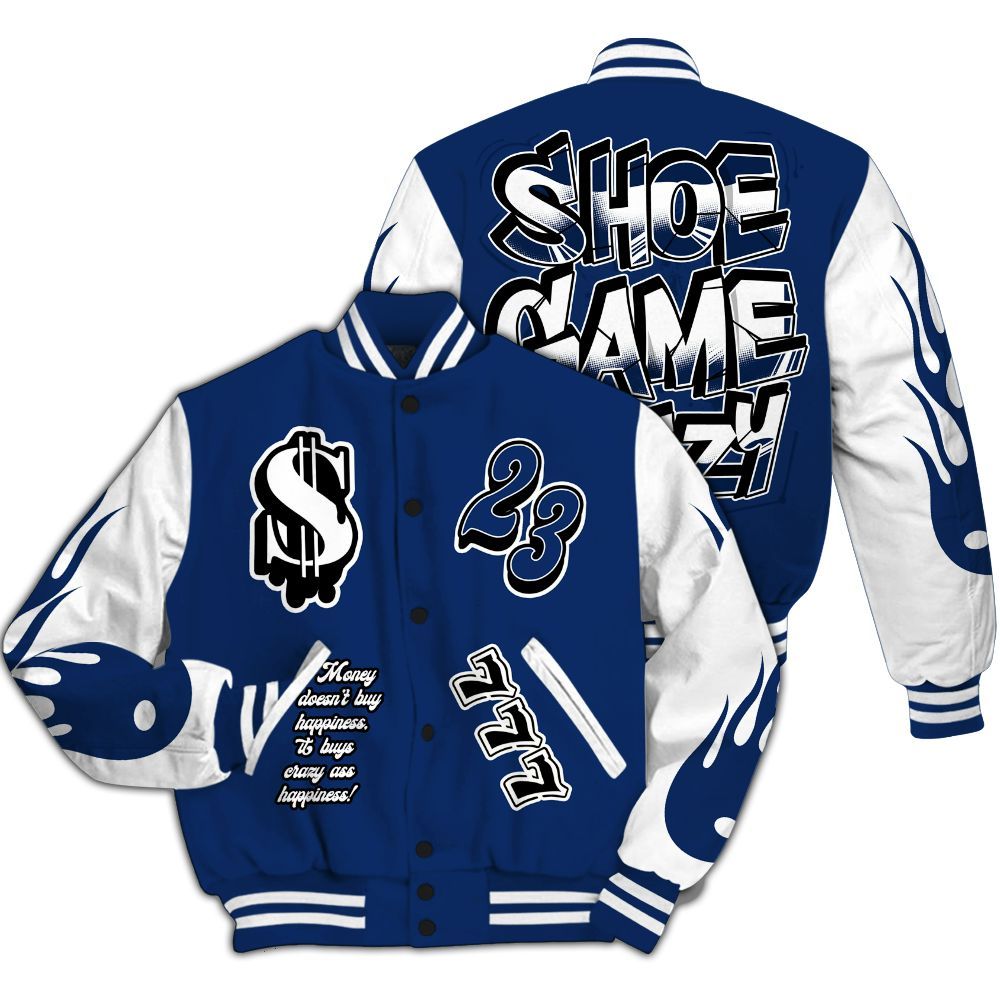
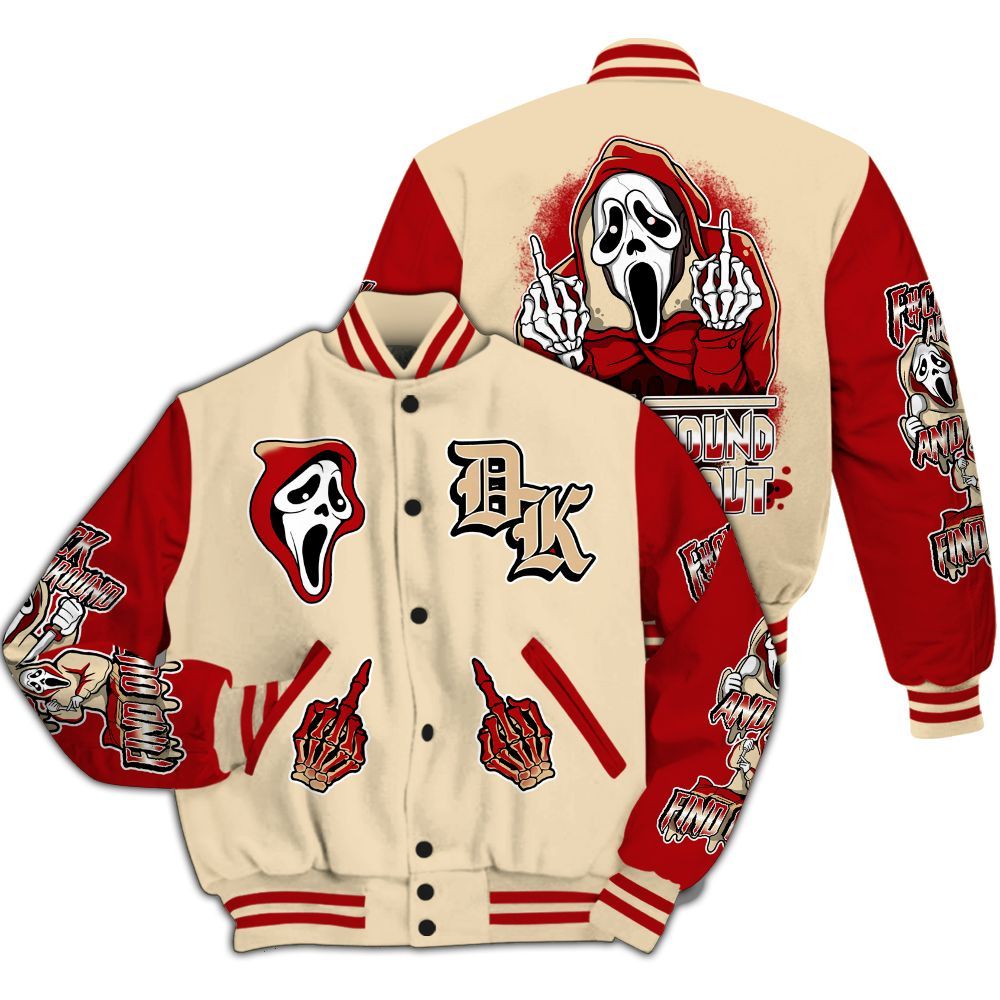
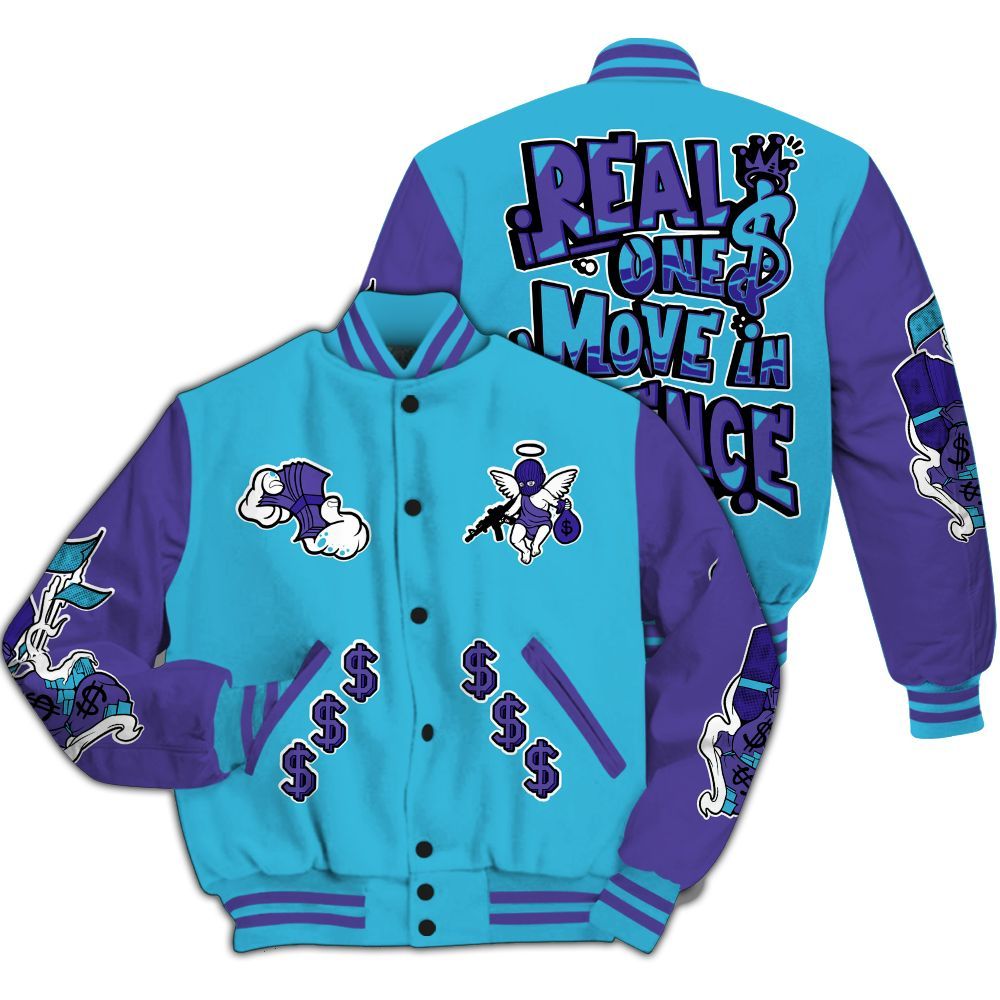
Air Jordan 1s (Chicago, Bred, Royal, Shadow): Bold and dimensional. Let them lead. A fitted black tee, white joggers or cargo pants, and one accent color pulled directly from the shoe equals the foundation of a Jordan fit. Browse dunkare’s matching sets — Jordan-inspired looks coordinated around specific colorways, so the guesswork is already done.
Nike Dunks: Versatile enough for cargo pants, loose raw denim, or a classic jogger-and-tee combination. The silhouette does the heavy lifting.
Air Force 1s (White-on-White): The blank canvas of sneaker culture. Works with everything — streetwear, elevated casual, even semi-formal. Perfect for beginners building fit intuition before committing to bolder shoes.
Frequently Asked Questions
What is sneaker culture?
Sneaker culture is a global subculture built around collecting, trading, and deeply appreciating athletic shoes. It blends fashion, music, sports, and community into a shared passion that now drives a $10+ billion global resale market.
What is a sneakerhead?
A sneakerhead collects sneakers as a hobby and lifestyle, with deep knowledge of shoe history, design, and cultural significance. It is defined by passion and knowledge — not just the number of pairs owned.
How does the sneaker resale market work?
Brands release limited quantities of popular shoes. When they sell out at retail, buyers and sellers trade on platforms like StockX and GOAT at market prices — sometimes 2–10× the original retail price, depending on demand.
What does deadstock mean?
Deadstock (DS) means a pair is brand new, unworn, and includes all original packaging. It is the highest-value condition in sneaker collecting, especially important in the resale market.
What is a colorway?
A colorway is the specific combination of colors on a sneaker. The AJ1 “Bred” is black and red; the AJ1 “Chicago” is red, black, and white. Colorways carry names, histories, and distinct cultural significance.
Where do beginners buy sneakers?
Start with brand websites (nike.com, adidas.com), Foot Locker, or JD Sports at retail price. For limited drops, enter online raffles. For secondhand pairs, use StockX or GOAT — both authenticate before shipping.
Style your first cop. Find its perfect matching set at dunkare.com.